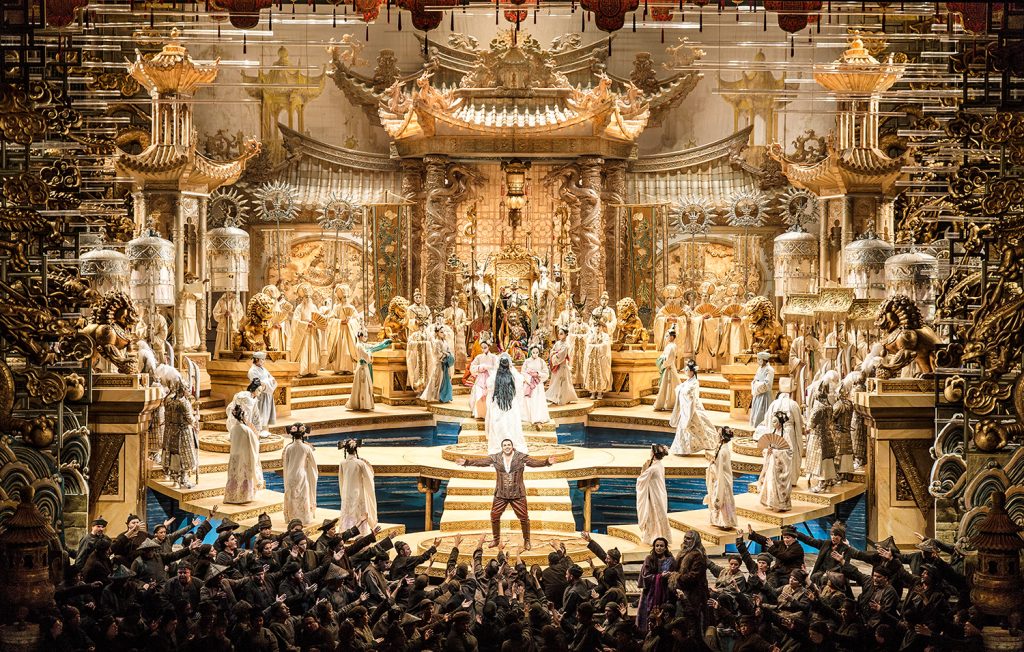
The Orchestra della Toscana at the Teatro del Giglio Giacomo Puccini for the new production of the Centenary Edition of Turandot, exploring enigmas, destiny and the transformation of coldness into emotion
There are works that go beyond mere storytelling: they seep into your very being with the same subtlety with which a difficult question creeps into your thoughts. Turandot is one such work. It is not merely a cruel fairy tale set in an imagined Orient, nor is it simply a power struggle between a princess and her suitors. It is a theatrical device designed to test the resilience of our emotions.
On 25 and 26 April, at the Teatro del Giglio in Lucca, this tension returns to the stage with the new production of the Centenary Edition, a co-production bringing together several Italian companies and restoring Puccini to a living, rather than merely celebratory, dimension. Alessandro D’Agostini conducts, whilst the direction, sets and costumes are by Nadir Dal Grande.
At the heart of it all lies Puccini’s musical composition, which in Turandot reaches a particular point in his poetics: one where monumentality does not erase fragility, but amplifies it. The princess who rejects love is not an abstract symbol, but an emotional construct based on fear. Calaf is not a victor, but someone who decides to take a risk without any guarantees. And between them, every gesture becomes irreversible.
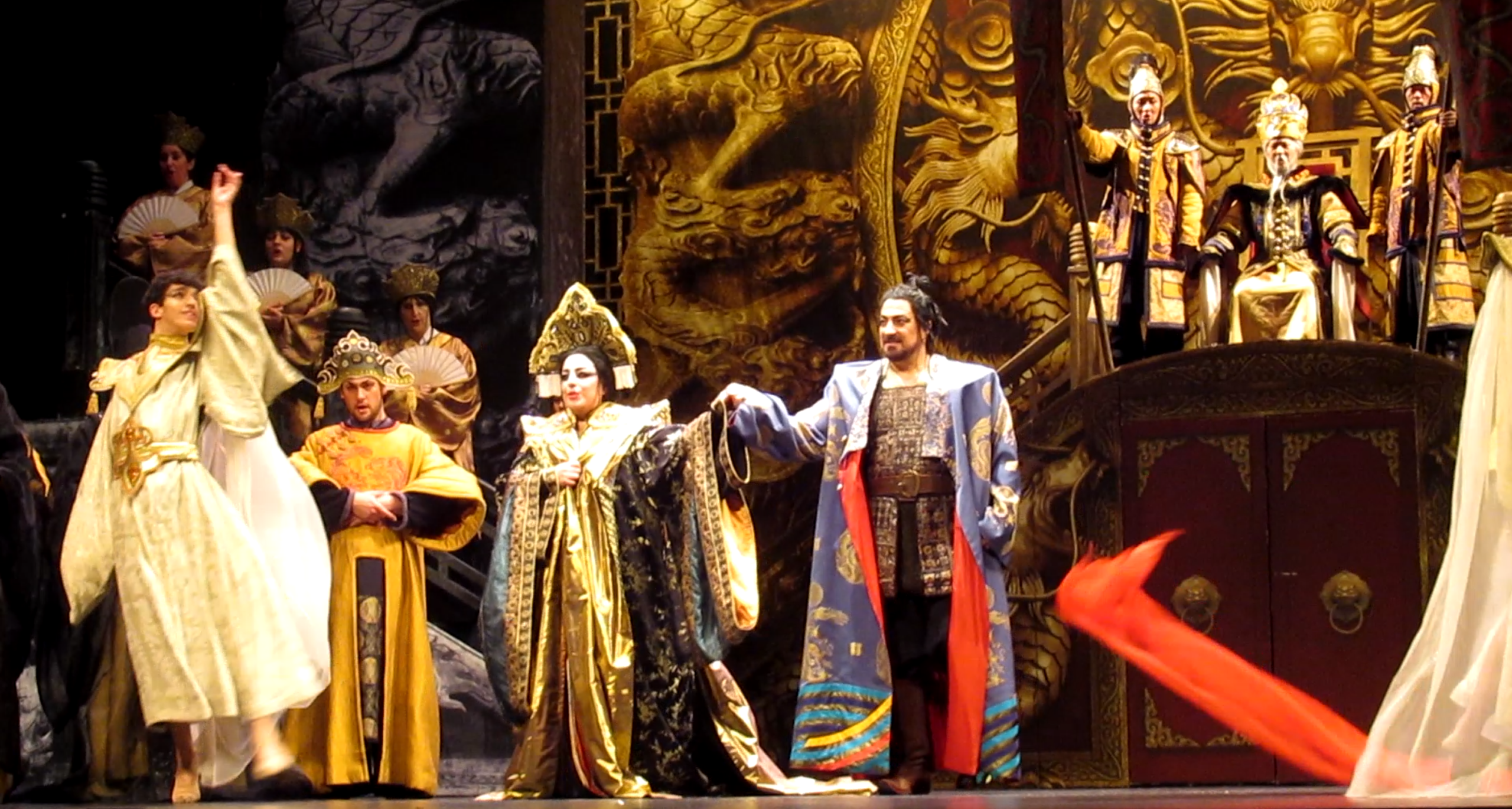
The Orchestra della Toscana plays a pivotal role in guiding this journey: not merely accompanying the story, but underpinning its internal fractures. Here, the music does not simply describe what is happening; it renders it inevitable. Every enigma, every silence, every orchestral outburst helps to construct a world in which nothing remains static.
Turandot is also an opera about incompleteness, but not in the most obvious sense of the term. Nothing is missing: rather, it is a story that continues to question its own ending, whichever version one chooses to listen to. The heart of the drama lies not in the solving of the riddles, but in the transformation that takes place when certainties begin to crumble.
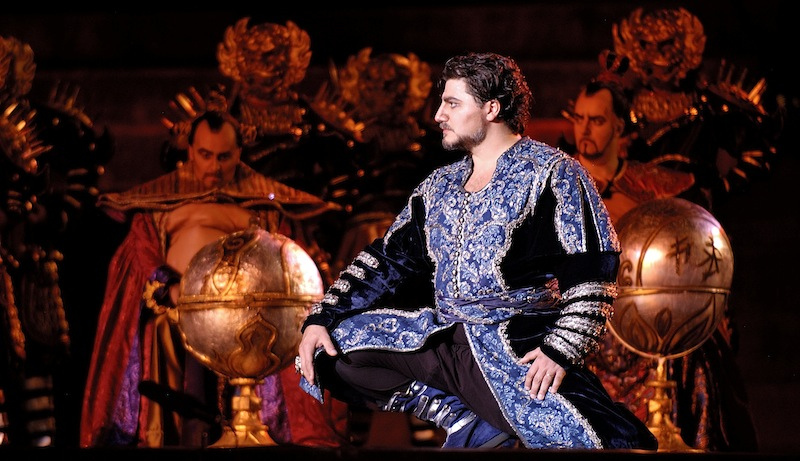
The staging of this new production operates precisely within this zone of instability. It does not seek to resolve the conflict, but rather to make it visible, vivid, almost inevitable. For, ultimately, Turandot is not a story with a definitive ending: it is a story that shifts in tone before the eyes of the listener.
And when this happens, the ice does not disappear. It simply ceases to seem eternal.